




Insights / Brand identity design for startups
What a brand identity actually includes: a founder’s guide
A logo is a mark. An identity is a system. A brand is what people remember. Here is the difference, and why it matters.

Founders often ask for “a logo”. What they usually need is a brand identity. The difference decides whether your business looks the same on a business card, a website, a shelf and a signboard, or looks like five different companies.
Here is what a complete brand identity includes, in the order we build it.
1. Strategy: the sentence before the drawing
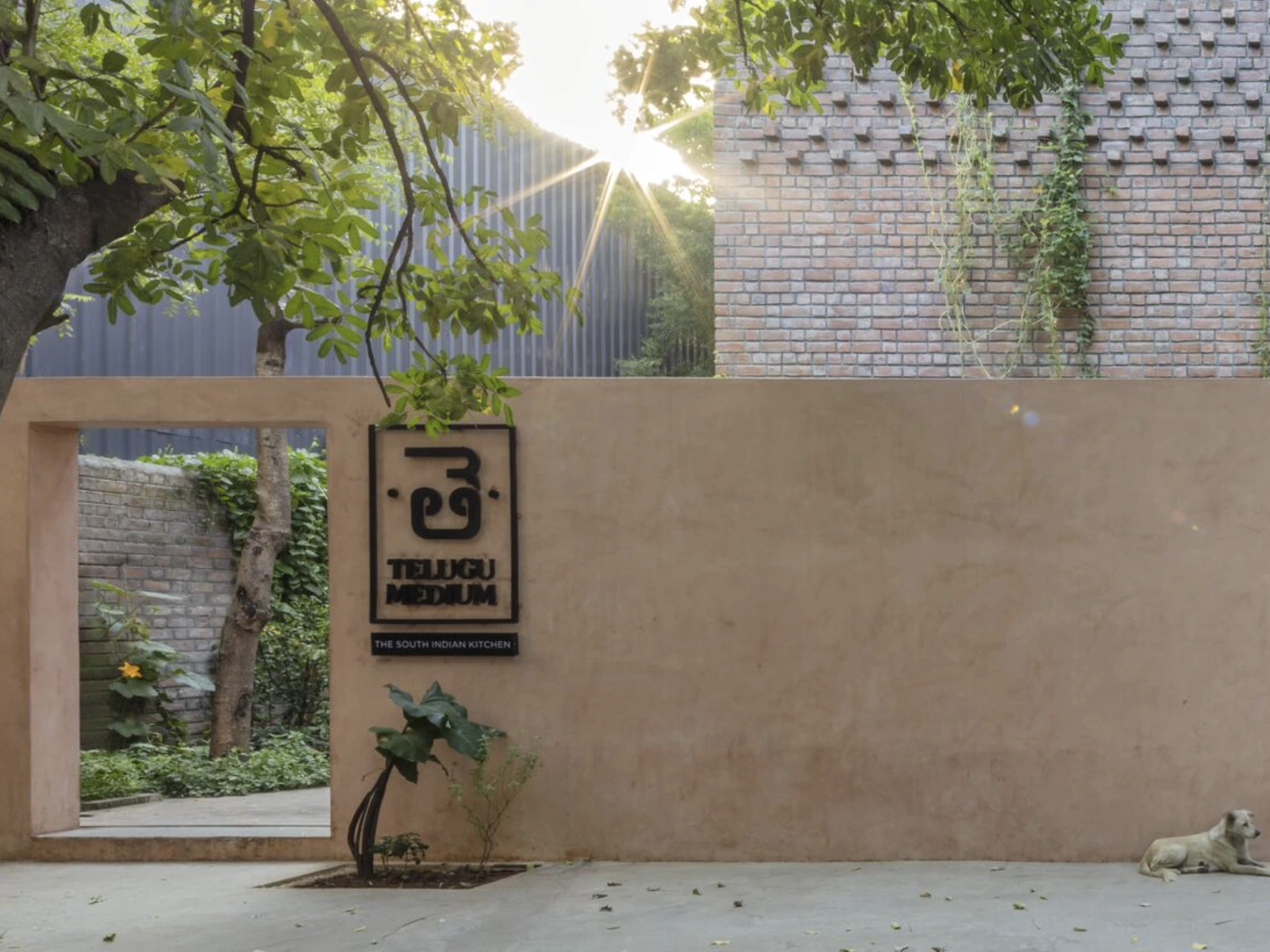
Who is this for? What do you stand against? Why should anyone care? These questions are answered before a single pixel moves. For Telugu Medium, the strategy was one sentence: give the Telugu letter pride of place, under a name every generation feels is theirs. Everything else followed. Read how.
2. The name
If you are starting from scratch, the name comes next. It is chapter one of the brand and the cheapest media you will ever own. Here is how to name your startup.
A small brand applied consistently beats a big brand applied carelessly.
3. The mark
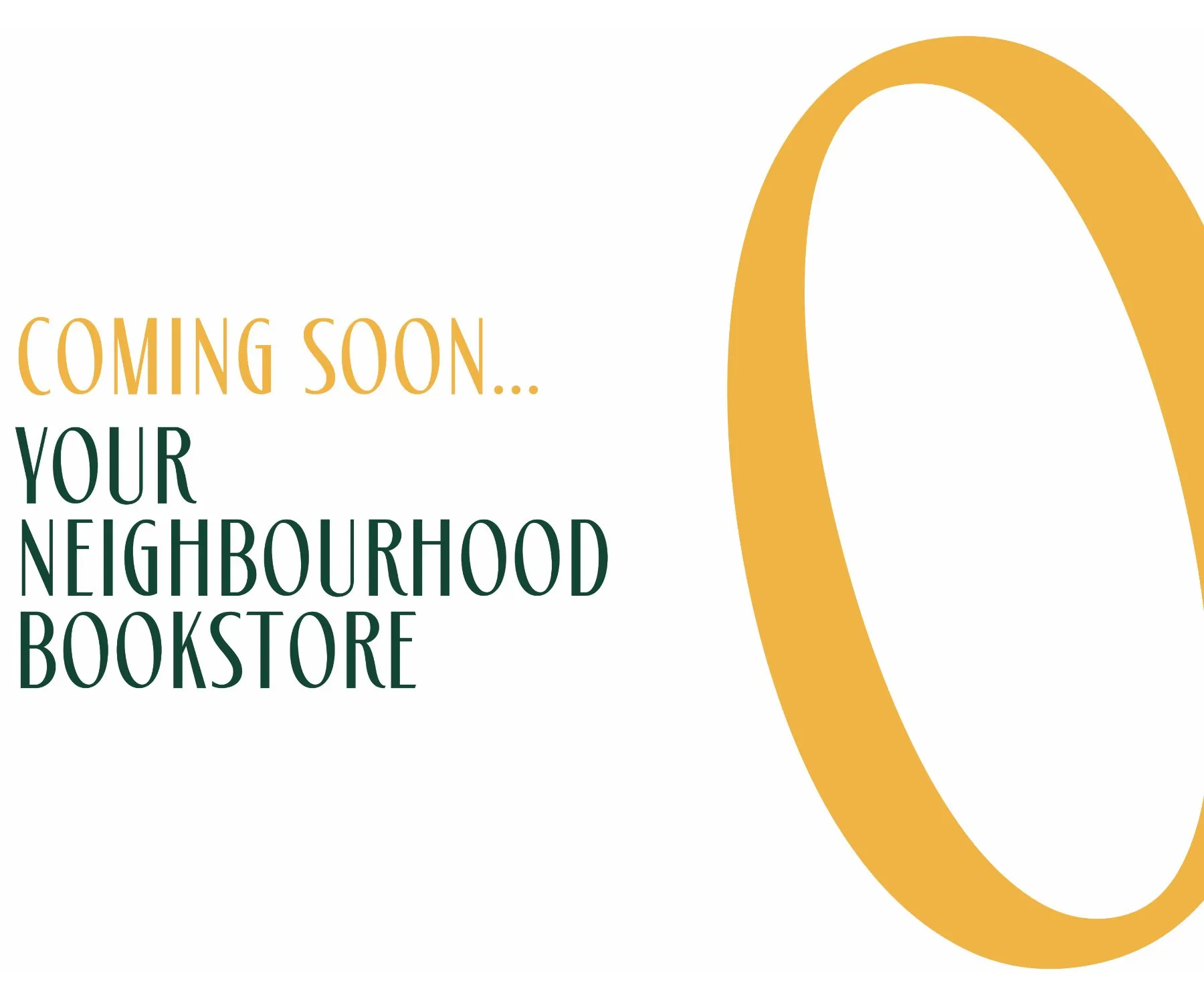
The logo is where the idea becomes visible. A good mark works at the size of a favicon and on the side of a building. It is built from something the business already owns, not borrowed from a competitor.
A logo is a mark. An identity is a system. Only one of them can carry a brand on its own.
4. Colour and type
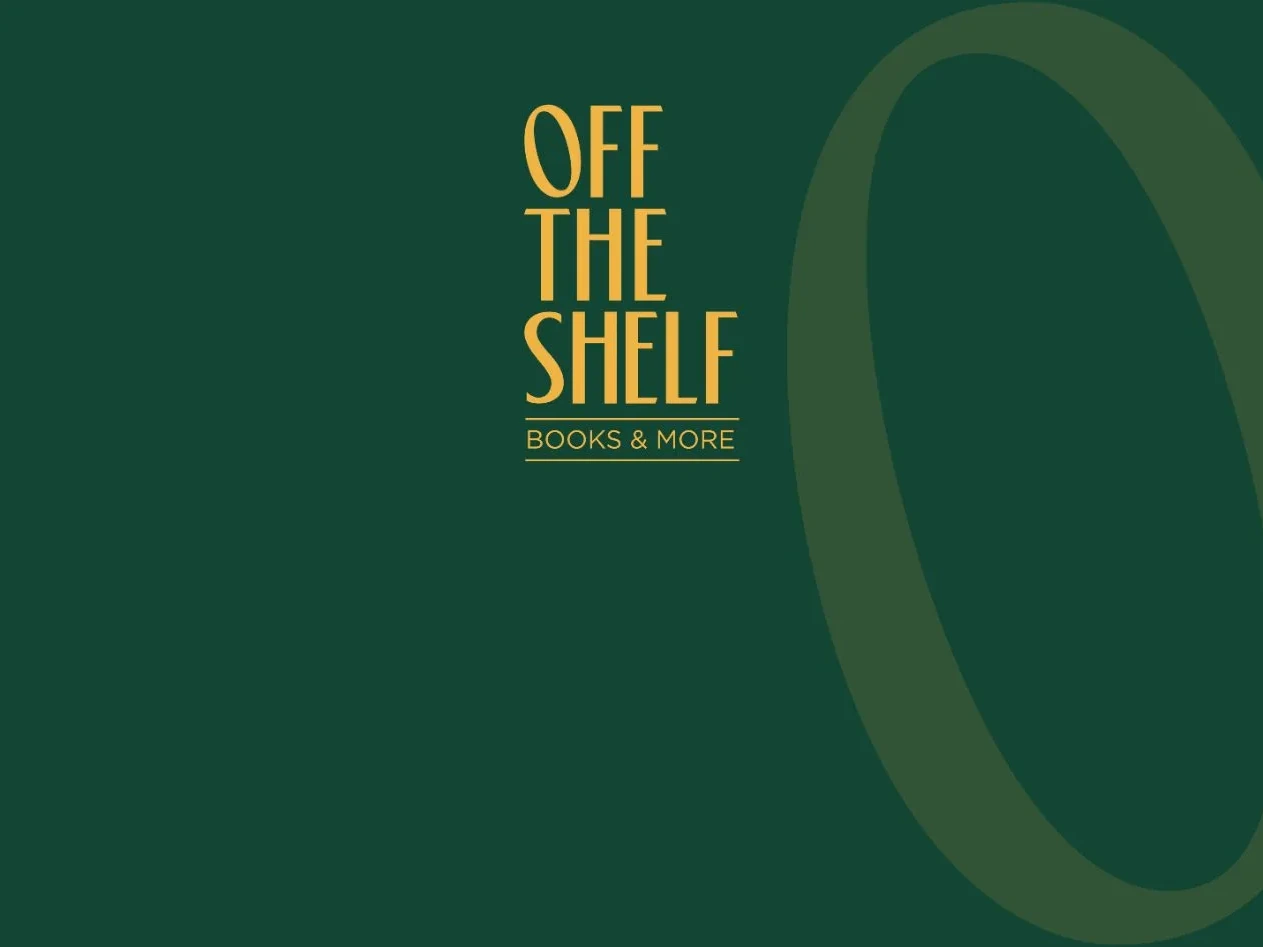
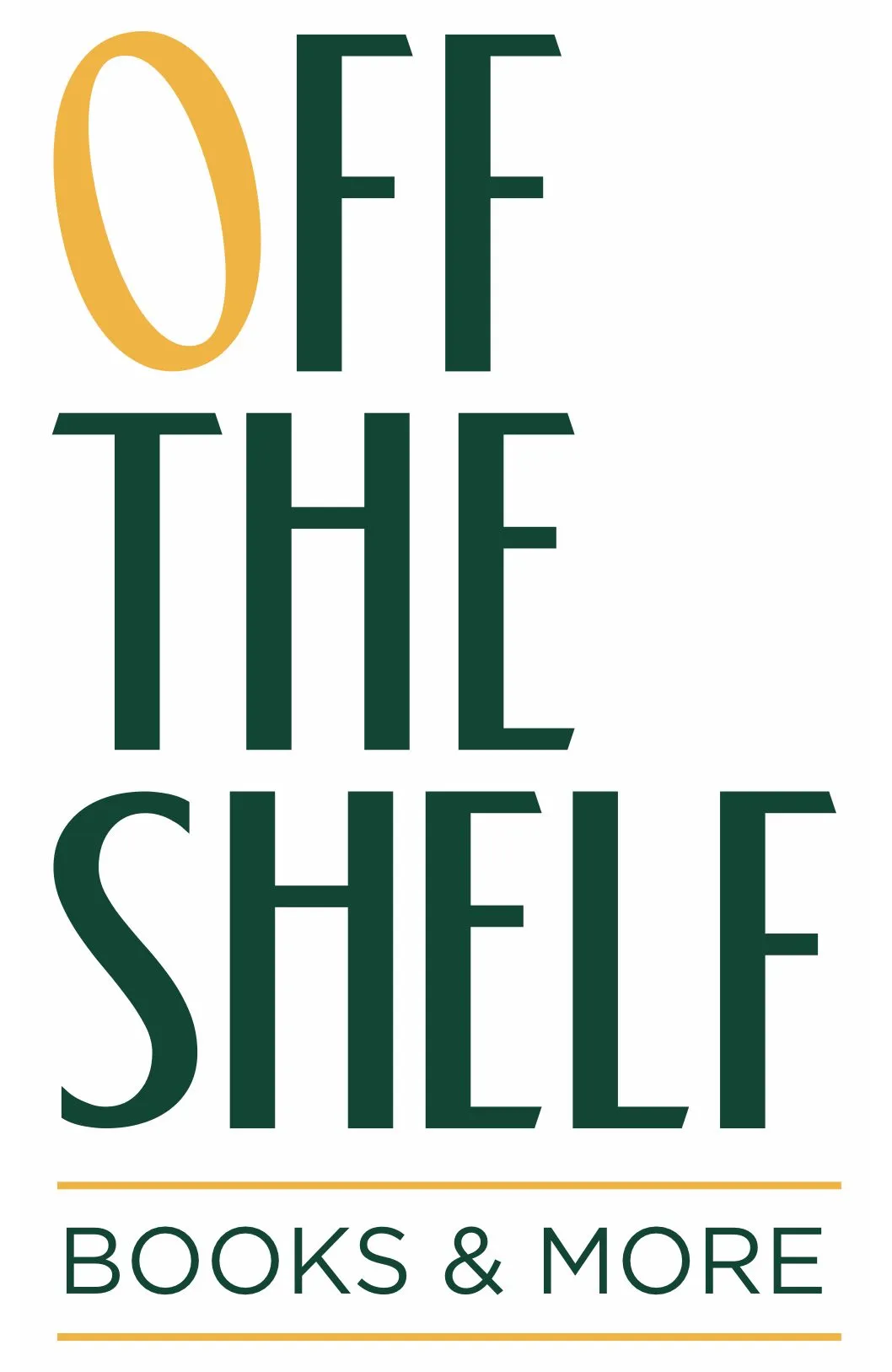
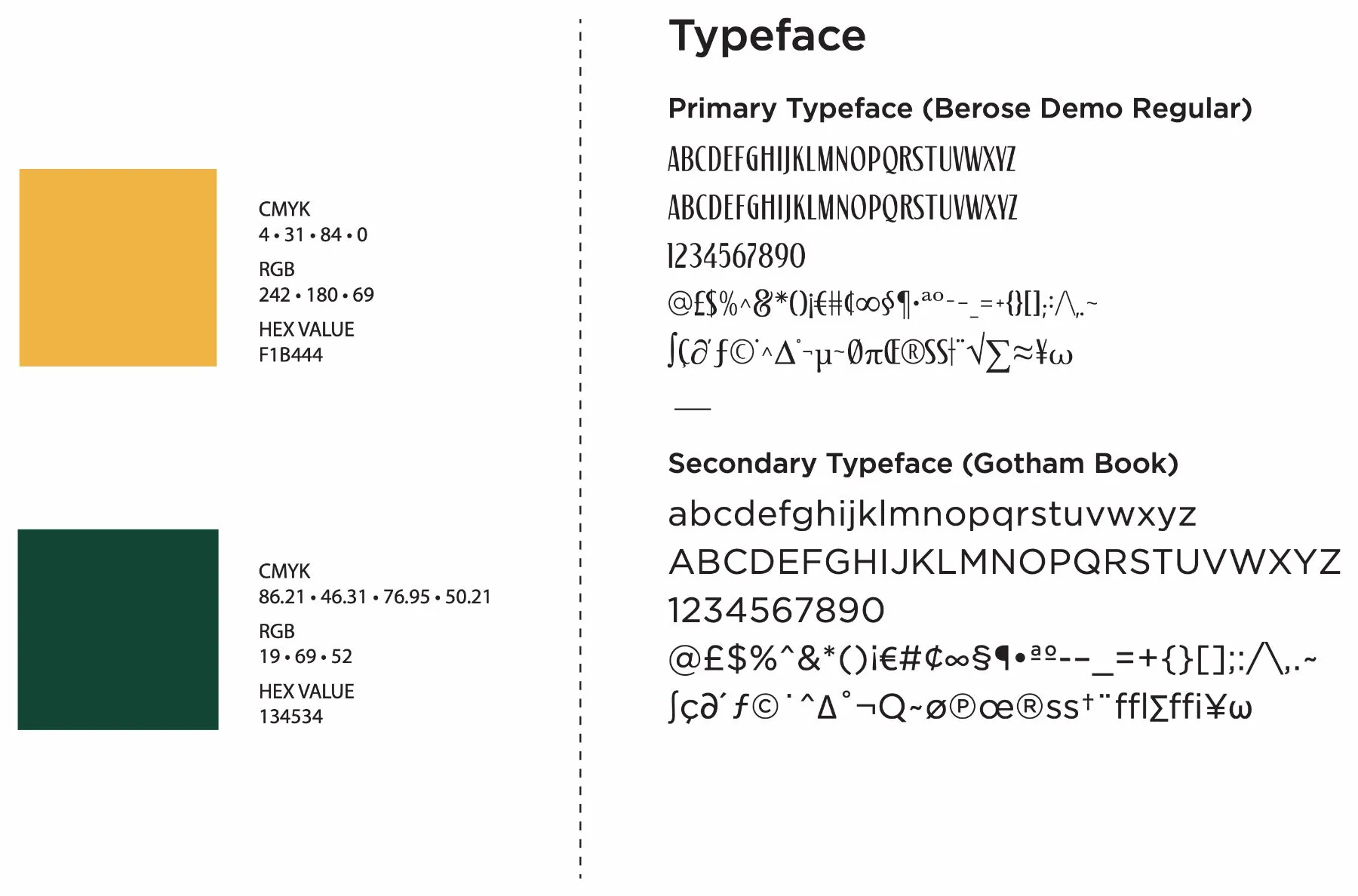
A disciplined palette and a small set of typefaces do more for recognition than any logo. Off The Shelf uses one gold, one green and two typefaces. Nothing else. Restraint is what makes a brand recognisable from across a street. See the system.
5. The supporting system
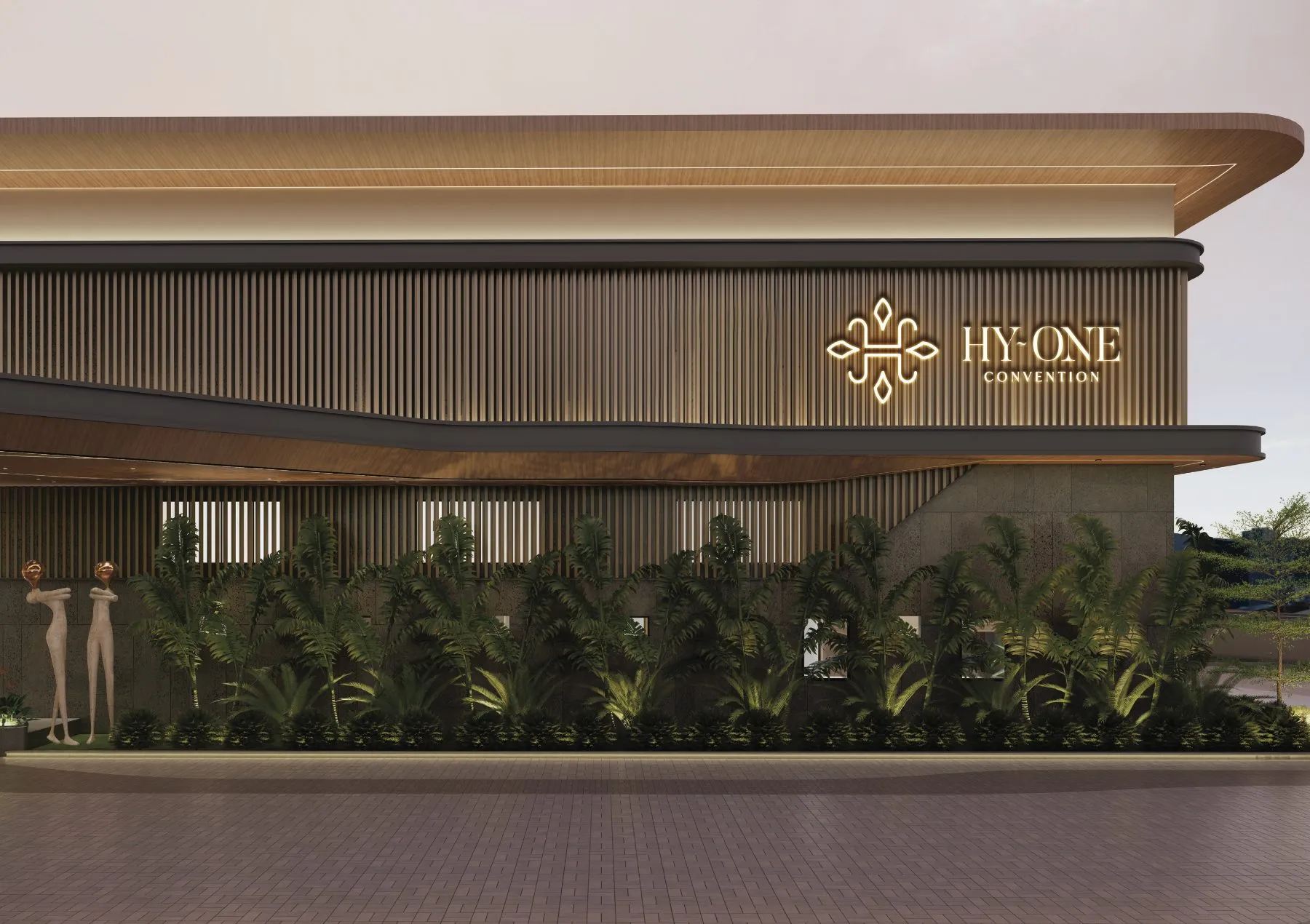
Patterns, illustration, icons and photography rules give the brand range without losing consistency. Hy~One’s ornament repeats into a pattern for invitations, napkins and the facade.
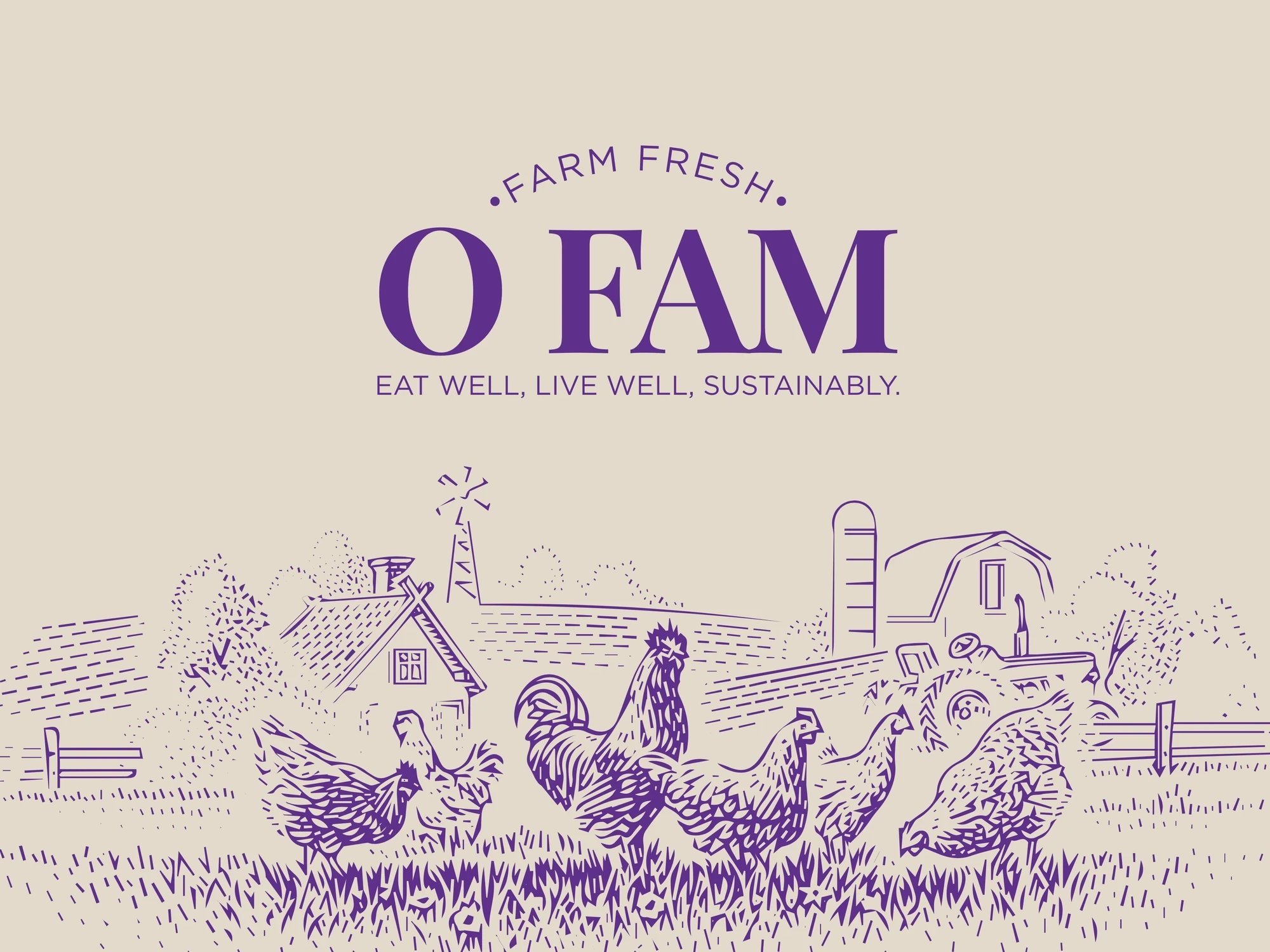
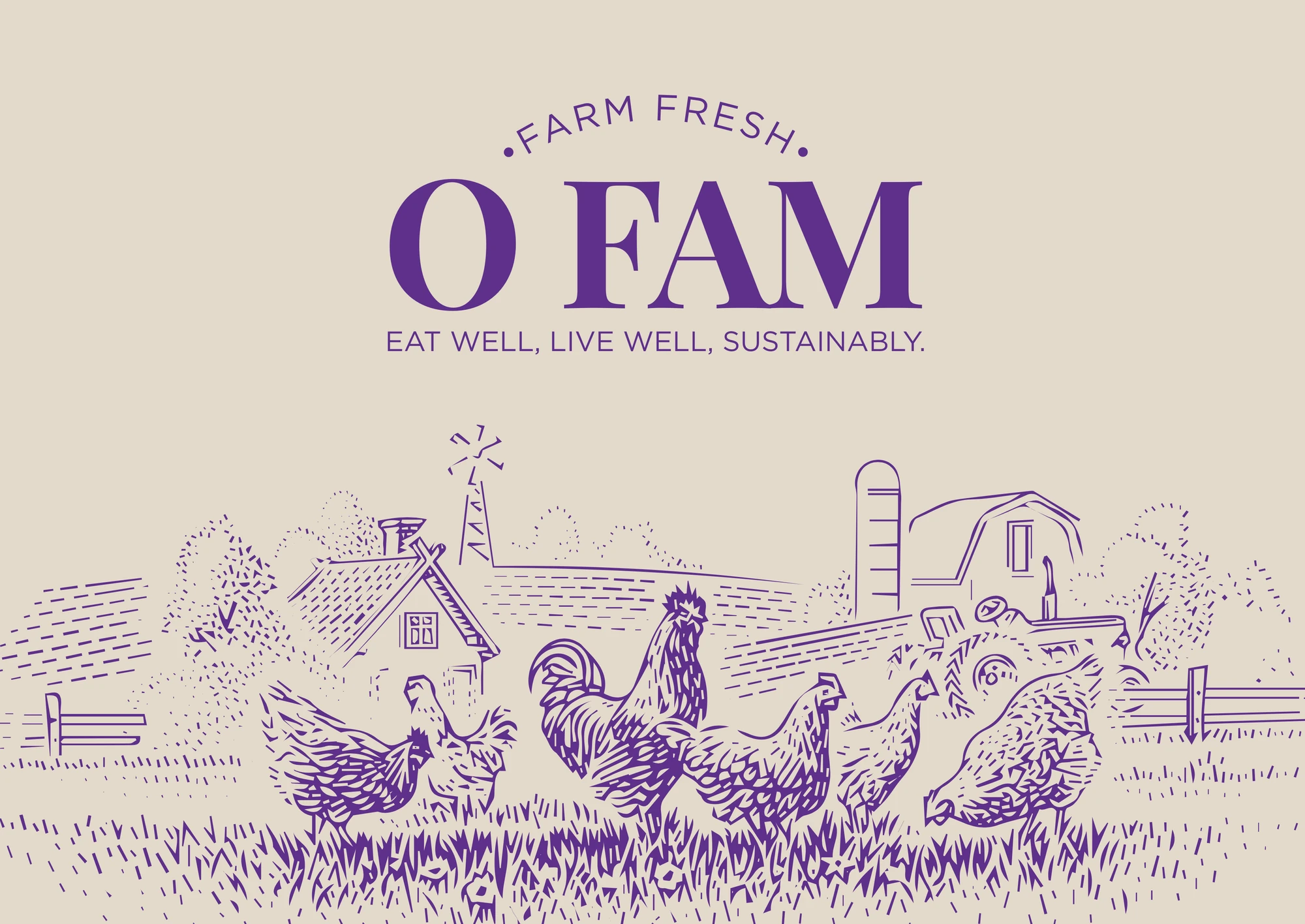
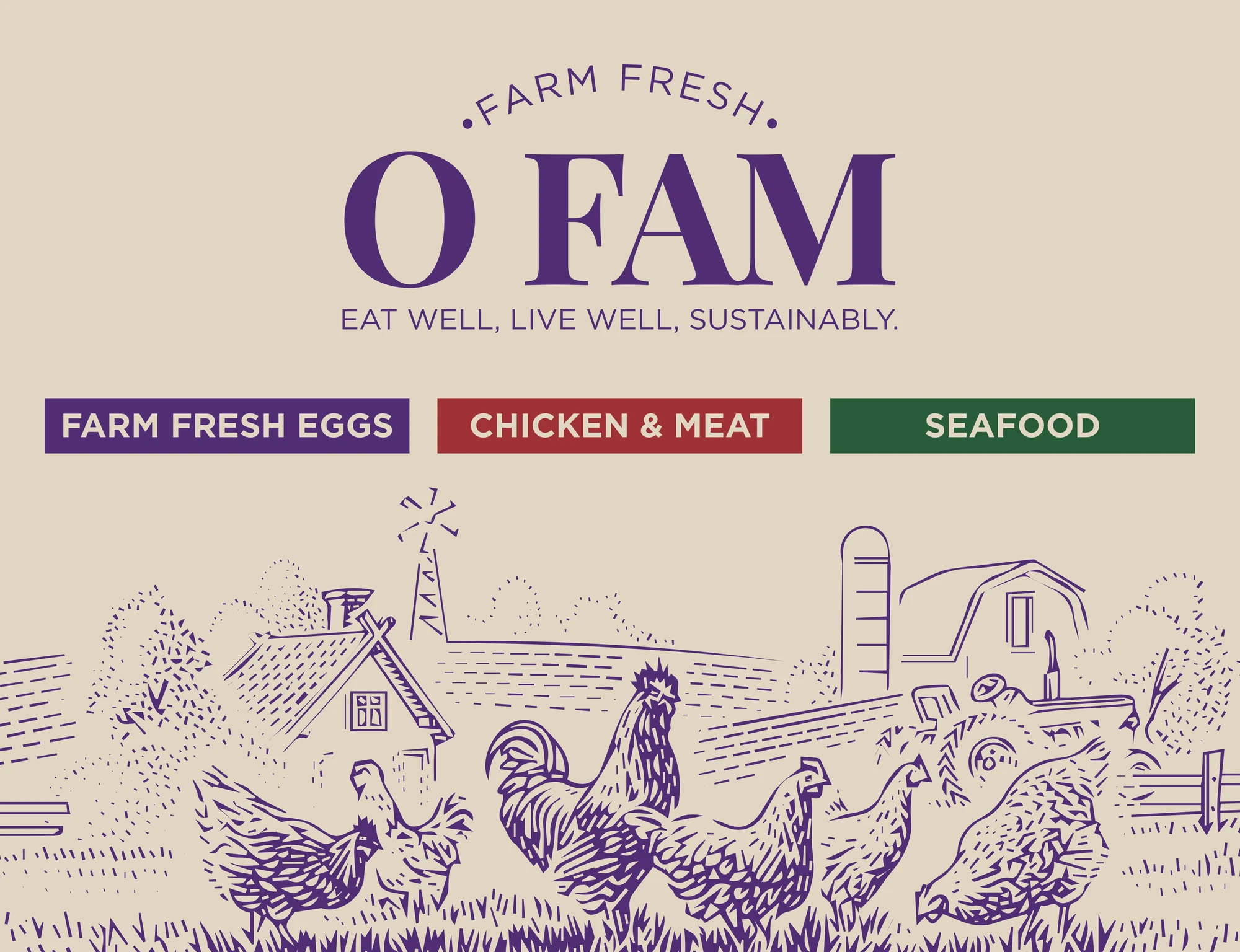
[[img:hy-one-03|Hy~One: one ornament, repeated until it became a pattern.]] O Fam’s hand-engraved farmstead wraps every pack. See O Fam.
6. Applications
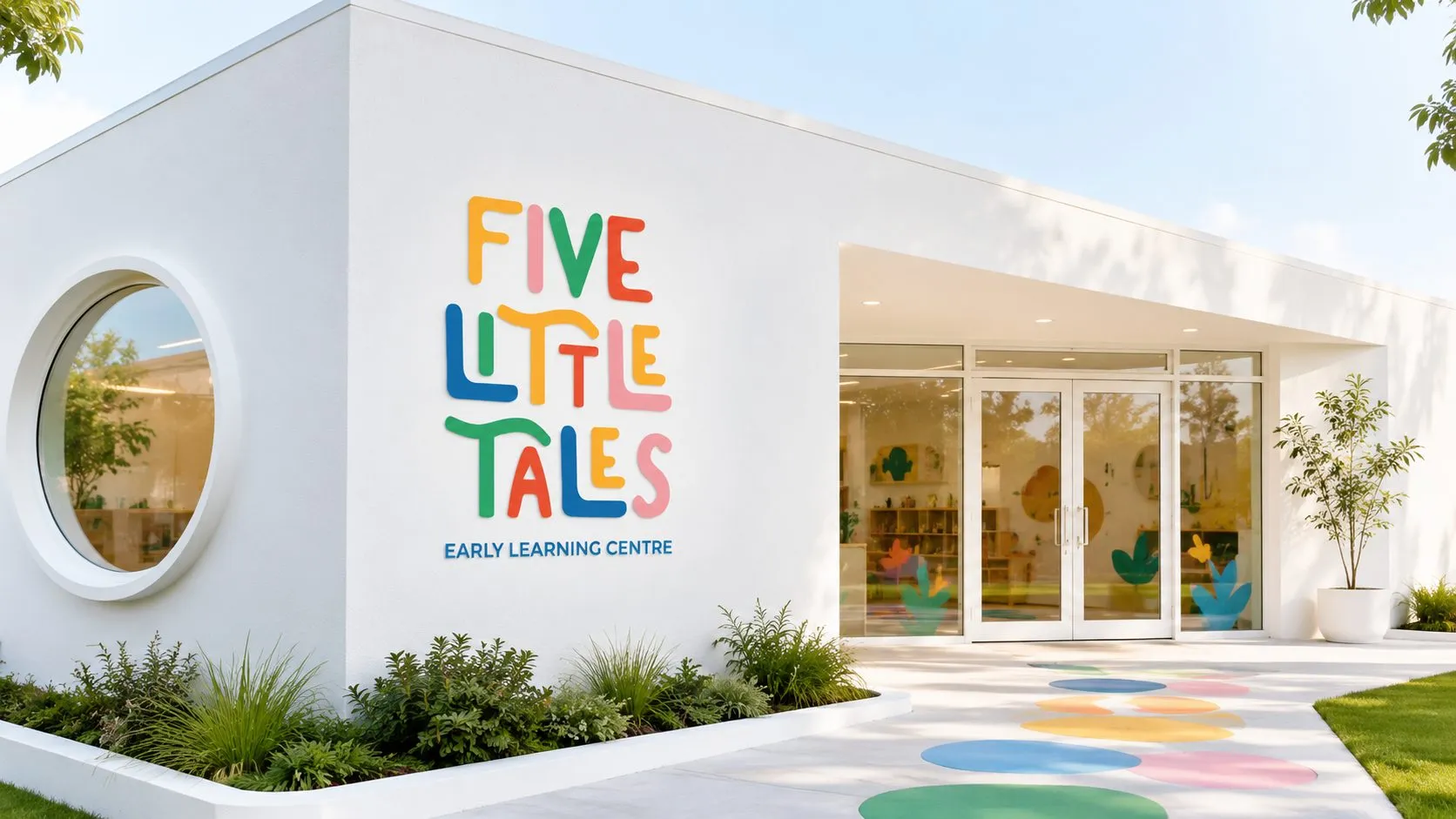
This is where most of the budget should go, because it is where customers actually meet the brand: packaging, signage, stationery, menus, uniforms, the website and social. For a restaurant, the takeaway tray may be seen by more people than the dining room.
7. Guidelines
The rules that let your team use the brand correctly without calling the designer every week. Good guidelines are short, practical and actually opened.
How long it takes, and why that is fine
A real identity is not a weekend job. Research, naming and strategy come first, and they take the longest, because everything else depends on them. The design itself moves quickly once the idea is clear. Applications grow over months as the business opens new doors: a second outlet, a new product line, a website, a van.
That is not a delay. It is how a brand stays one brand as the business grows. Founders who plan for this stage the work sensibly: the core first, then the surfaces customers meet most.
What this means for your budget
If you can only afford one thing, invest in strategy and a strong, simple mark with a clear palette. Applications can grow over time, as long as they follow the same system. A small brand applied consistently beats a big brand applied carelessly.
The short version
Strategy, name, mark, colour and type, a supporting system, applications and guidelines. That is a brand identity. Anything less is a logo. See it in practice in the logo archive, or browse the work.